
newsletter 02/23/26
2026: The Marathon Continues
The ICAP team entered 2026 with a full docket of active litigation and pressing behind-the-scenes work. In the past two months alone, ICAP attorneys have filed 15 briefs in every level of the court system. In addition to our ongoing cases, we have been working tirelessly to respond to the tragic events that have taken place across the country this year.
Responding to the ICE surges
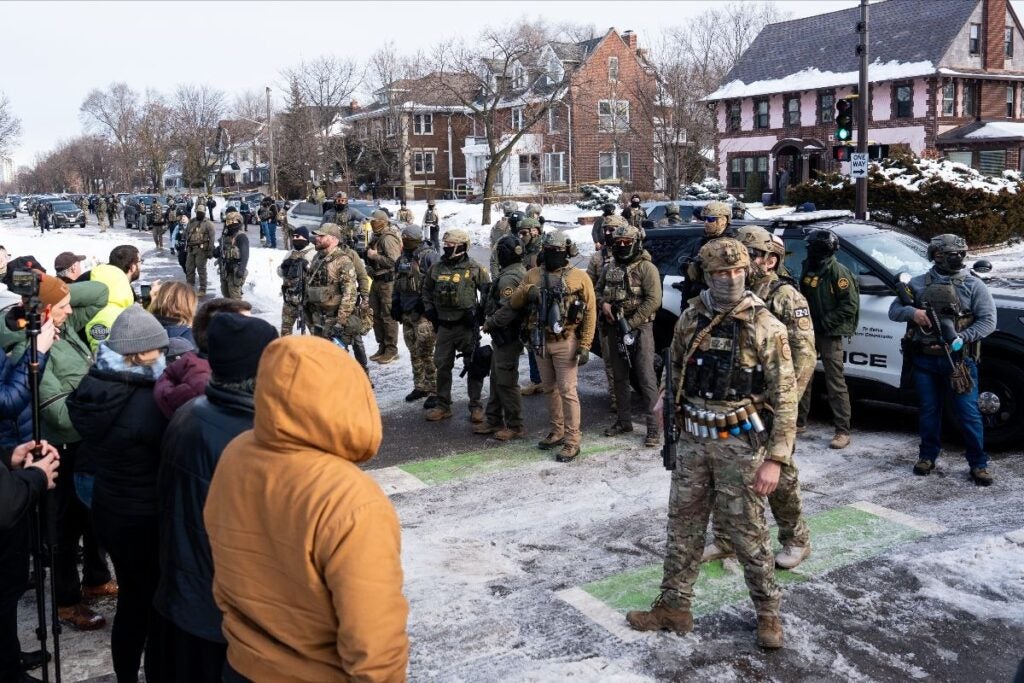
On January 7th, a federal immigration officer shot and killed Renee Good in Minneapolis; just seven days later, a federal immigration officer shot Julio Cesar Sosa-Celis outside his home in Minneapolis; and another ten days later, federal immigration officers shot and killed Alex Pretti in the same city. Good and Pretti were peacefully protesting ICE’s surge in Minneapolis when they were shot. Sosa-Celis was at his home when federal immigration officers executed a targeted operation. We are horrified by the excessive force and unconstitutional tactics that ICE and CBP are using against both protesters and those suspected of being undocumented. And we are honored to be putting our prior federal government experience to good use working directly with the Hennepin County Attorney’s Office in its investigations into all three of the shootings.
In addition to our work with the Hennepin County Attorney’s Office, we have prioritized collaboration with other partners in Minnesota and elsewhere working to formulate legal challenges to the infringements on constitutional rights and state sovereignty that have come with the rolling ICE surges and crackdowns on public protest. In Illinois, we’re working with the Illinois Accountability Commission to provide legal analysis and advice in aid of the Commission’s efforts to investigate, analyze, and create a public record of the conduct of federal agents and its impact on individuals and communities during the ICE surge in Chicago. The Commission’s hearings have featured testimony from those harmed by those operations, as well as from experts, like Garrett Graff, who described in stirring detail the evolution of ICE and CBP over the past two decades into troubled and deadly federal law enforcement agencies.
We’ve also shared our expert analysis with the public. ICAP Special Litigation Counsel and former DOJ civil rights prosecutor Julia Gegenheimer explained what a federal civil rights investigation into the Good and Pretti shootings would look like in these two informative Just Security pieces (see related CNN coverage here). Julia also joined the host of the podcast Amicus to shed more light on the DOJ’s duty to investigate law-enforcement-involved shootings like these. In addition to regularly discussing the legal issues implicated by the ICE surges on weekly episodes of Main Justice, ICAP Executive Director Mary McCord has made numerous media appearances to discuss the topic, including on this PBS segment and this episode of NPR’s 1A. And ICAP Supreme Court Director Kelsi Corkran spoke to over 500 faith leaders at a Know Your Rights training addressing the legal rights and responsibilities of clergy when engaging with federal law enforcement.
A win for the rule of law!
We’re gratified by the Supreme court’s 6-3 ruling in the tariff case, argued by ICAP Faculty Director Neal Katyal last November. In a win for separation of powers, the majority concluded that the tariffs were beyond the powers that Congress gave to the President under a 1977 law–the International Emergency Economic Powers Act–to respond to national emergencies created by foreign threats. The Court held that the law’s grant of authority to “regulate . . . importation” did not include the power to tax, which the founders gave to Congress alone. This enormous victory in the Supreme Court is a good start to reining in overreaching executive actions.
A win for voting rights!
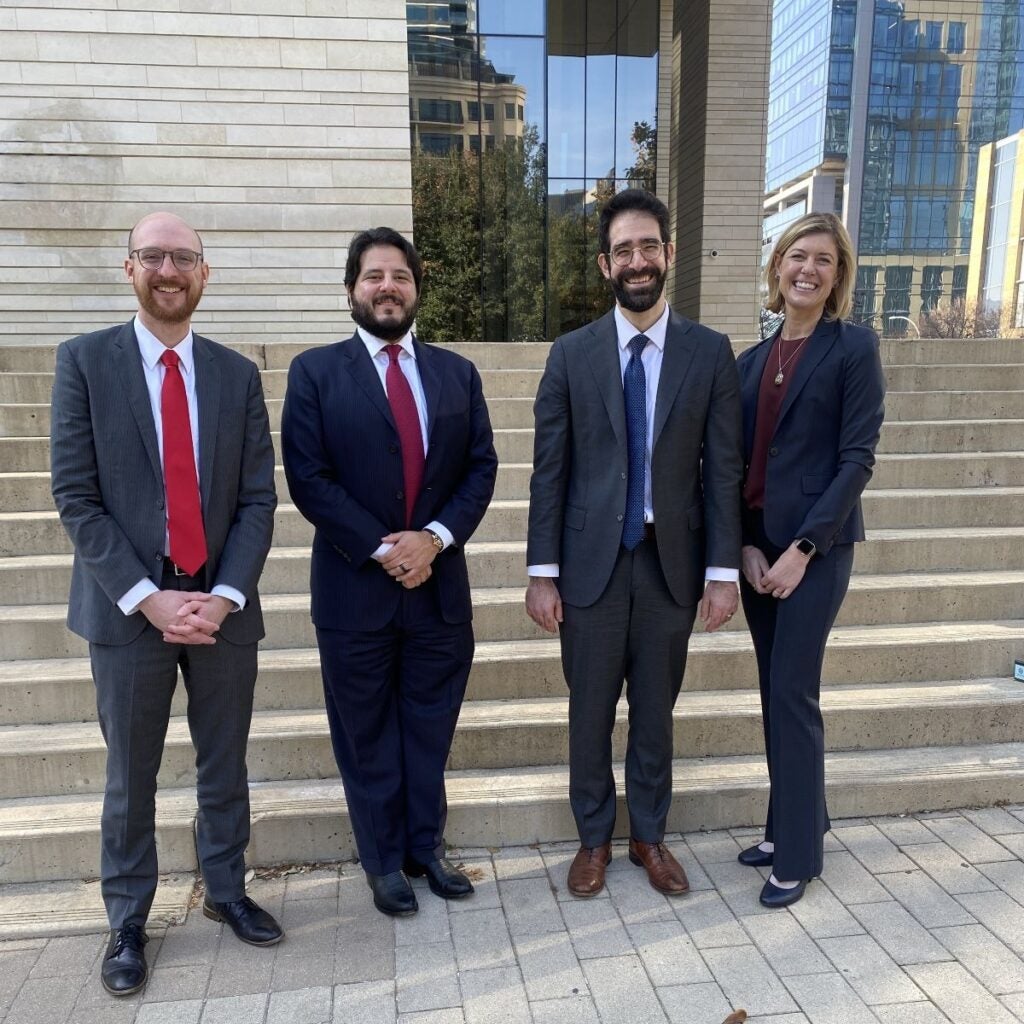
We’re thrilled to share that we successfully obtained a preliminary injunction barring Texas Attorney General Ken Paxton’s efforts to revoke the corporate charter of our client, Latino voting rights non-profit Jolt Inc. After argument by ICAP Senior Counsel Jonathan Backer last month, the federal district court concluded that Paxton’s attempt to take away Jolt’s legal status was likely in retaliation for Jolt’s First-Amendment-protected voter registration efforts and its lawsuit against Paxton in 2024 after he issued invasive records requests based on groundless conspiracy theories about Jolt registering noncitizens to vote. The court also concluded that Jolt is likely to succeed on its claim of intimidation in violation of the Voting Rights Act. We look forward to continuing to represent Jolt through a final resolution of the case.
And a win for religious freedom!
We’re likewise proud to have obtained a favorable result for our client, U.S. Army Captain Joy Bledsoe, who in 2024 requested to be assigned to a non-combatant role due to her deeply held religious beliefs and commitment to the principles of Christian nonviolence. After her request was denied, ICAP filed suit on her behalf, and Captain Bledsoe has officially been granted noncombatant status as a conscientious objector.
In other litigation:
We’re awaiting the Supreme Court’s decision in a challenge to a provision of Hawaii’s gun safety law, which we’ve defended since the state enacted it in 2023. ICAP Faculty Director Neal Katyal argued in late January for the Court to uphold the law’s private property default rule, which prohibits firearms on private property without the consent of the owner. The other provisions of the law–barring firearms in sensitive locations like bars, restaurants, beaches, and parks–were upheld by the Ninth Circuit and the Supreme Court declined to review those bans.
We’re also awaiting a decision from the D.C. Circuit in our challenge to the Department of Homeland Security’s rescission of a 30-year-old policy that had restricted immigration enforcement at or near places of worship. After the lower court determined that our clients–more than two dozen Jewish and Christian denominations and associations–did not have “standing” to sue because their attendance declines might be attributable to the administration’s mass deportation efforts more generally rather than the policy change, we appealed. ICAP Supreme Court Director Kelsi Corkran argued the case earlier this month and we hope for a favorable opinion soon.
And we’re waiting to hear if the Supreme Court will take up the State of Alabama’s request for review of an Eleventh Circuit decision striking down a set of state laws that prohibit holding signs in public seeking charitable relief. Our brief in opposition defends the court of appeals’ holding that begging is speech protected by the First Amendment.
Finally, on March 24, Kelsi will argue in the Supreme Court on behalf of a class of asylum seekers who successfully challenged a DHS policy that allowed border officers to circumvent their statutorily mandated asylum processing duties by physically blocking noncitizens attempting to lawfully enter the country at ports of entry. The Court granted the government’s petition to review the Ninth Circuit’s decision in favor of the asylum seekers.
In Case You Missed It!
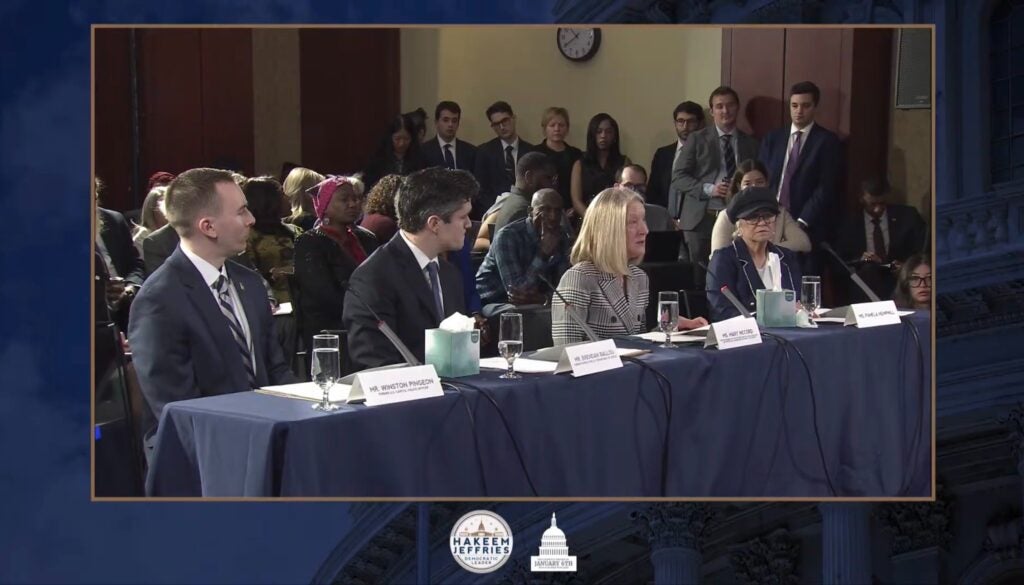
- On the fifth anniversary of the Capitol insurrection, ICAP Executive Director Mary McCord testified about political violence before a shadow hearing of House Democrats. You can watch the full hearing or read a summary of Mary’s testimony here.
- ICAP Senior Counsel Elizabeth Cruikshank joined the host of the podcast Short Circuit in an insightful discussion about Elizabeth’s years of experience litigating on behalf of people behind bars. Access the full episode here.
- ICAP Legal Director Rupa Bhattacharyya spoke with the Hill, the Guardian, and NPR about the corrupt claims filed by President Trump seeking taxpayer money in compensation for harms he claims the government has done to him; she also penned a piece for the Justice Connection Substack on the same issue.